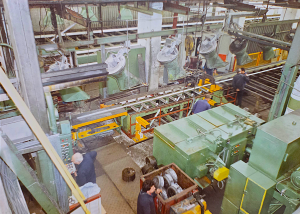
Modernization of a legacy aluminum extrusion line, improving product quality, automation, and operational safety.
Project Overview
I was engaged to evaluate and upgrade an outdated aluminum extrusion production facility. The goal was to improve efficiency, product quality, and overall production flow.
Key Improvements
Since the manufacturing plant was operating with outdated systems, I analyzed the production line and implemented several key improvements:
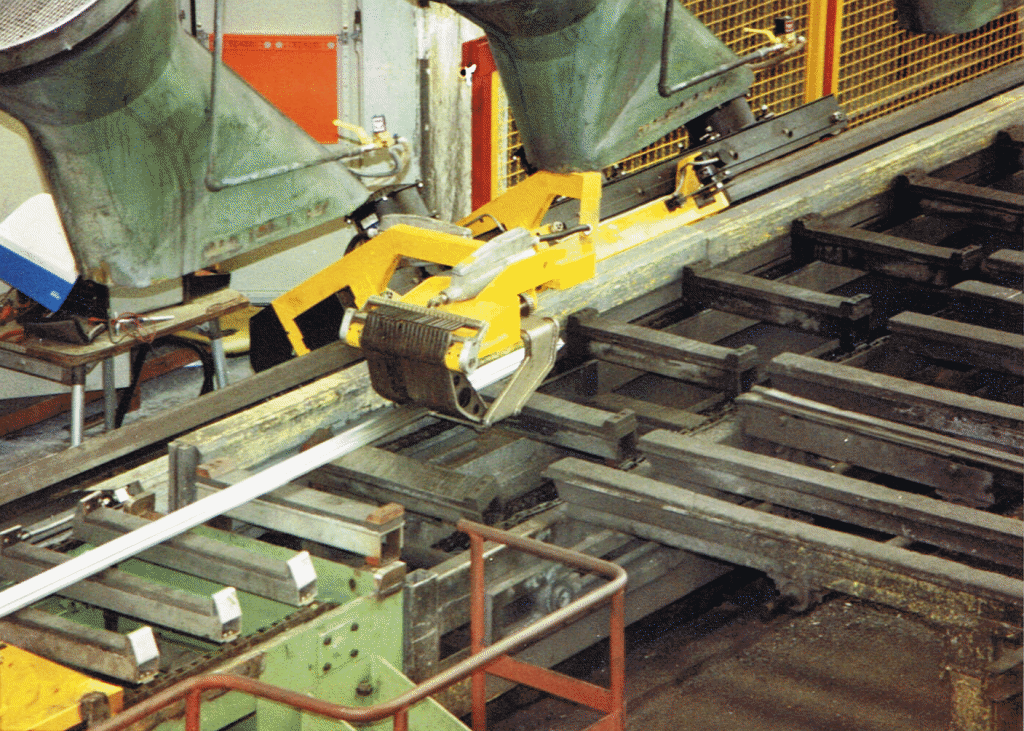
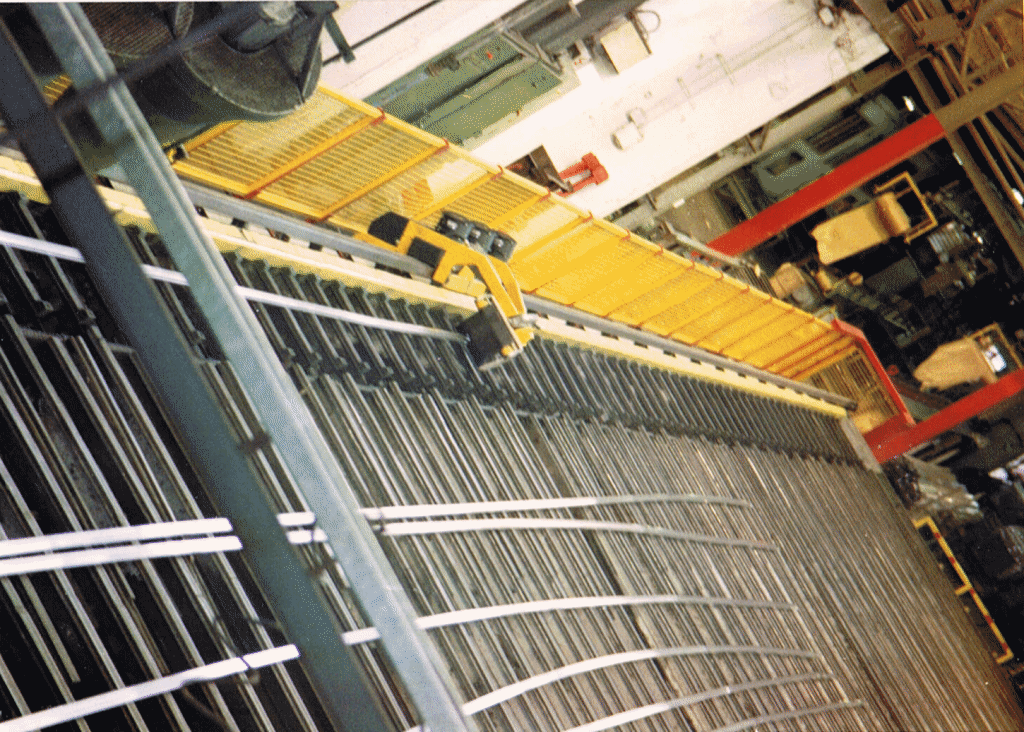
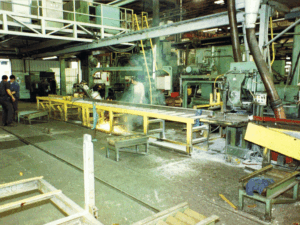
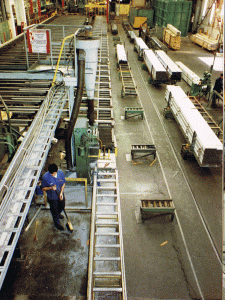
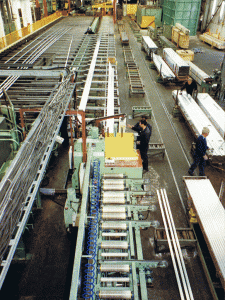
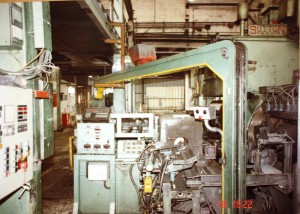
During extrusion, aluminum profiles exiting the hydraulic press tended to twist and bend. To eliminate this issue, a puller system was developed and implemented. This system grips the profile at the press exit and applies controlled tension, ensuring straight profile alignment as it moves toward the runout table.
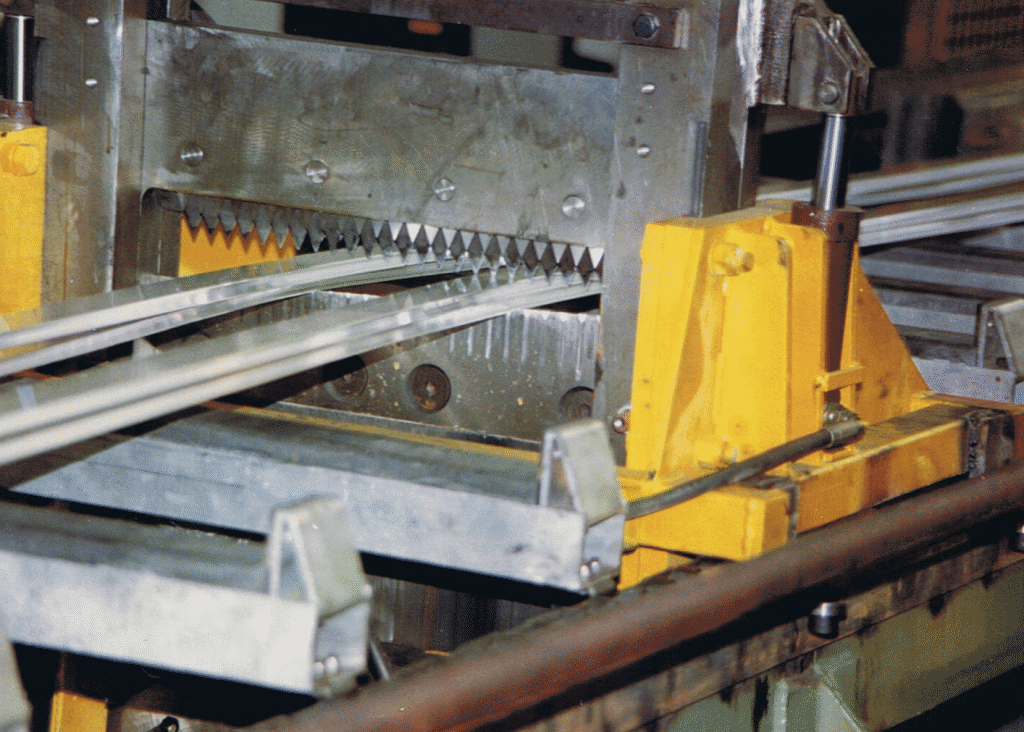
A key upgrade was the implementation of an automated cutting system. As profiles advance toward the saw, the system is pre-programmed to cut precise lengths according to customer requirements, ensuring consistency and reducing manual intervention.
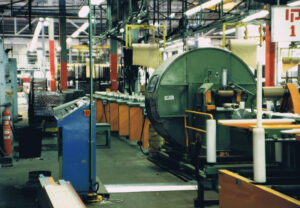
Packaging system (automated paper wrapping machine)
In the later stage of the project, I also specified and procured an automated profile packaging system, for continuous, high-efficiency wrapping of finished profiles.
Pendulum scrap conveyor (pneumatic)
As part of the modernization project, I addressed the handling of this waste material by integrating it into the plant’s scrap collection and recycling system. The solution included:
Automated removal hot butt scrap and offcuts
Pneumatic transfer system to safely convey scrap to a designated recycling container
Fire-safe operation, using air-powered components instead of electric drives in high-temperature zones
Improved workflow continuity, minimizing manual handling and downtime
The collected aluminum scrap is then returned for recycling and re-melting, contributing to material efficiency and cost savings.
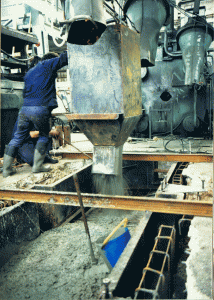
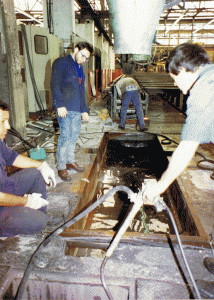
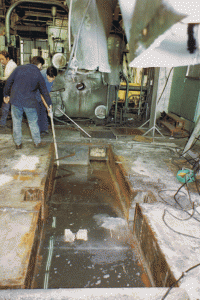
During installation, a critical issue was identified: a supplied unit (shipped from England) did not meet the required design specifications. Its overall height exceeded the extrusion press exit level by more than one meter. Due to time constraints and the urgency of production, an immediate solution was required.
To resolve this, a pit was excavated in the production floor, and I designed a custom steel enclosure/base to house the unit. This allowed precise leveling and provided stable structural support, ensuring proper integration with the existing production line.
Technologies & Tools
Autodesk Inventor (3D modeling & layout)
Pneumatic systems design
Mechanical system integration
Production line optimization
Documentation & Execution
Produced detailed engineering drawings covering structural layout, folding geometry, and hydraulic integration
Provided fabrication-ready documentation adaptable to site variations
Supported assembly and testing through staged verification
Key Engineering Contributions
Improved profile straightness and quality
Reduced manual handling and safety risks
Integrated automated cutting and packaging
Resolved critical installation mismatch under time constraints